Inn & NPCs
Who you meet around Scarlet Deer Inn
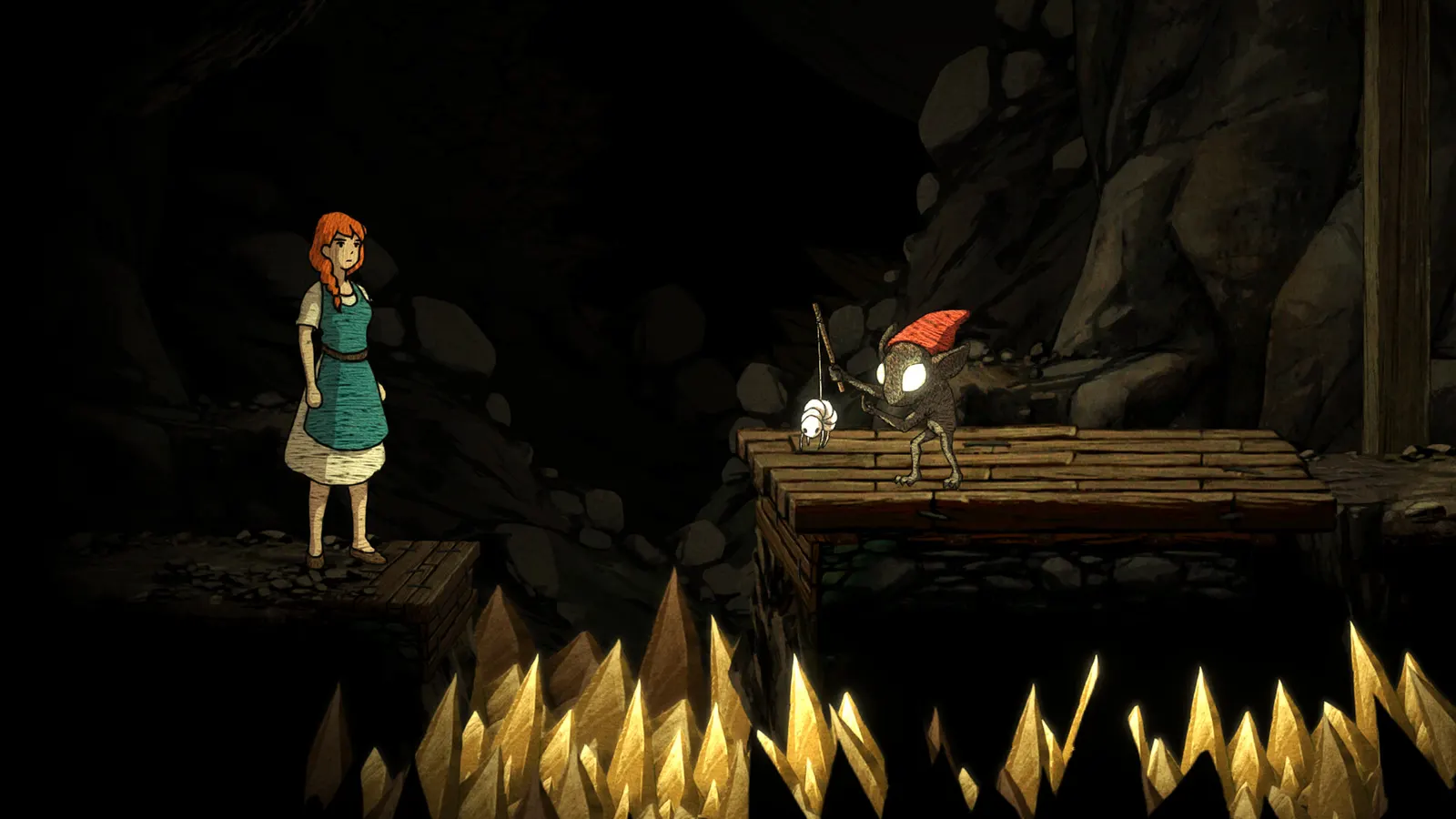
Scarlet Deer Inn NPCs and Inn Cast
NPCs in Scarlet Deer Inn are the warm circuitry of the village act. Learn who they are before the underground isolates Elise. This page is a cast-and-place directory, not a full spoiler biography.
Deeper character themes: Characters. Places: Village. Steps: Opening Village.
Elise (protagonist, innkeeper mother)
You play Elise, mother of two. The inn is both workplace and identity. Neighbors trust her with errands because she already lives in the center of small emergencies. That trust is why later horror lands as betrayal of ordinary life rather than as generic haunted tourism.
Kuba and Bara (children at the story’s heart)
Kuba’s early need — recovering Horace the toy horse — teaches the game’s care verb. Bara matters to the family stakes that the Noon Witch plot ultimately weaponizes. Keep both children in mind whenever toys appear; collectibles are not unrelated stickers.
Spoiler caution: late outcomes are covered in Ending Explained and Complete Ending.
Dorota (errand anchor)
Dorota structures your first productive loops. If you are lost, she is often the human quest board. Speak to her when momentum stalls, then follow the physical world rather than hunting a nonexistent minimap pin.
Karel, Otto, and Lada (cake triad)
These three organize the village tour via cake deliveries:
- Karel — apiary link; story hinge person for the descent
- Otto — neighborly texture; helps the village feel inhabited
- Lada — completes the delivery set and spreads interactable geography
Karel’s later cellar role is covered in Karel’s Apiary.
Father Johannes (church voice)
Father Johannes articulates communal fear and faith language that foreshadows folklore threat. Even if you skip optional lines elsewhere, listen here. The church scene is a tone key for Slavic myth pressure.
Folklore page: Noon Witch folklore.
Unnamed villagers and environmental “NPCs”
Not every interactable soul needs a wiki entry. Washline workers, silent pew-sitters, and doorway watchers still matter as presence. If the inn feels too empty, you may have outpaced dialogue flags — return after major handoffs.
Where NPCs “live” on the map
- Inn loop: Elise, children moments, early Horace thread
- Errand streets: Dorota’s tasks
- Delivery homes/work corners: Karel, Otto, Lada
- Church: Father Johannes
- Oak tree path: transitional solitude before apiary focus
- Apiary/cellar: Karel’s darker context
- Underground: fewer social NPCs, more hostile presence and memory of the above
Caves: Caves.
NPC conversations as collectible radar
After major talks, shelves sometimes become relevant. Use NPCs as timers for search windows. Method: Get Collectibles.
Cast checklist for first clear
- Helped Kuba with Horace
- Finished Dorota’s errands
- Delivered cakes to Karel, Otto, and Lada
- Spoke with Father Johannes
- Understood Karel as the apiary bridge
- Remembered Bara/Kuba as stakes heading underground
Tone note
Attu Games’ embroidered animation keeps faces stylized even when themes are mature. Do not confuse stylization with lightness. Who Should Play discusses boundaries.
NPCs are the reason the pit hurts. Learn their routes while the cakes still matter.
Conversation hygiene
Talk, walk one screen, talk again. NPC schedules in story platformers often refresh after a small traversal. If Karel feels “done,” finish Otto/Lada/church flags and return.
Children as pacing devices
Scenes with Kuba (and Bara’s presence in the household stakes) are pacing brakes. Do not treat them as obstacles to the “real game” underground. They are the real game’s reason.
Note-taking without spoilers
Safe notes look like: “Dorota done,” “cakes 2/3,” “Johannes done,” “oak next.” Unsafe notes look like ending claims. Keep your spoiler boundary clean if you stream or share notes.
NPC absence underground
When human voices thin out below, the silence is characterization of Elise’s isolation. Fill it with torch competence, not with rushed meme energy. Systems: Torch.
Recasting after the finale
After credits, reread this page and Characters. Lines that sounded like flavor become foreshadowing. That reread is optional, powerful, and spoiler-heavy if you do it too early.
Frequently Asked Questions
Quick answers tied to this page.
Who is the protagonist?
Elise, a mother of two and the village inn's central adult presence.
Who gives early errands?
Dorota is the primary errand anchor; Kuba's Horace request is the key child objective.
Why do Karel, Otto, and Lada matter?
Cake deliveries map the village and Karel specifically bridges into the apiary descent.
Should I listen to Father Johannes?
Yes. The church scene loads folklore tone you will need later.
Do NPCs follow me underground?
The underground isolate Elise among puzzles and threats; village faces become memory and stakes.
Where are ending spoilers for the children?
Ending Explained and the spoiler-aware ending guide.