Key Items
Essential props in Scarlet Deer Inn
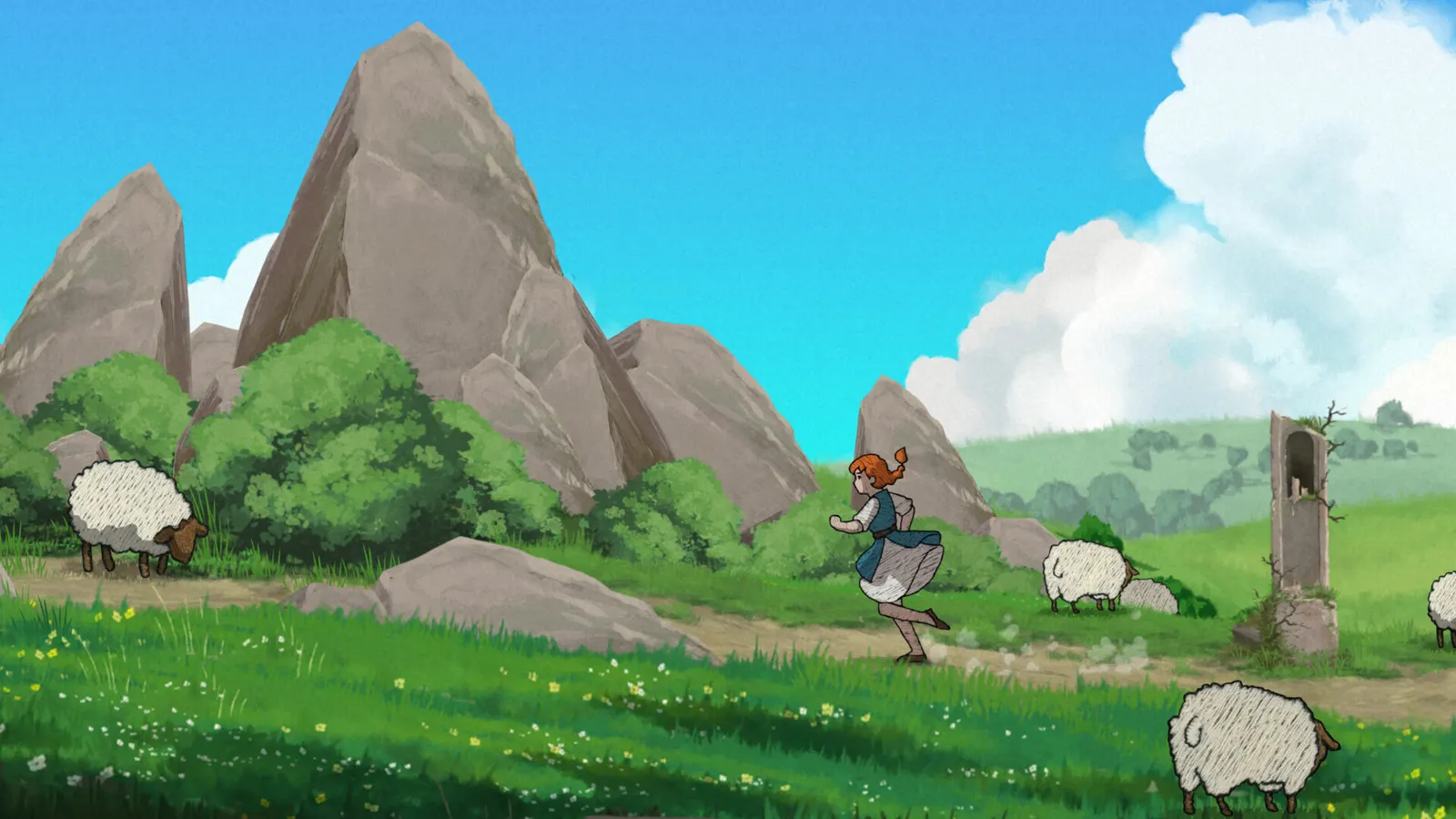
Scarlet Deer Inn Key Items
Key items in Scarlet Deer Inn are the objects that carry story weight or open progression. This page catalogs the essentials players should not ignore, without inventing a fake full datamined inventory dump.
Related: Toys & Collectibles, Achievements, Collectibles guide, Characters.
Torch (primary survival tool)
The torch is the most important “item” even if it feels like equipment rather than loot. It lights routes, holds monsters back, and solves light puzzles with braziers. If your key-item awareness begins and ends with quest objects, you will still fail underground without torch literacy.
Read: How to Use the Torch.
Horace (toy horse)
Horace belongs to Kuba and appears from the opening village request through late escape framing. Functionally, Horace teaches the game’s thesis: children’s objects are not comic relief. Keep him mentally tagged whenever objectives branch.
Opening steps: Opening Village walkthrough. Escape context: Underground Labyrinth, Complete Ending.
Cakes and errand objects
Early key props include the cakes delivered to Karel, Otto, and Lada, plus whatever Dorota’s errands place in your hands. These objects are progression keys disguised as chores. They also map the village: inn life, neighbor routes, and Karel’s apiary thread.
Location help: Village, Inn NPCs.
Cellar and pit transition props
In Karel’s apiary, interactable cellar objects matter more than a long loot list. Crates, levers, and environmental triggers are the real keys. If something looks interactable under torch light, treat it as potentially progression-critical.
Underground key props
Below ground, expect progression to revolve around:
- Levers and gate hardware
- Crates used as tools, not junk
- Braziers as persistent light keys
- Toys with story charge (rag doll, shepherd’s flute — detailed on the toys page)
- Horace’s continued role in escape objectives
Caves overview: Caves.
What is not a key item
This wiki will not invent crafting ores, gacha tickets, timed shop currencies, or Roblox passes. Scarlet Deer Inn is a single-player narrative platformer from Attu Games with Aurakenn Games. If an external tip sells microtransaction keys, discard it.
How to manage key items mentally
Because the game is story-forward, your best inventory UI is attention:
- After each major NPC handoff, ask what object you gained or returned
- After each underground wing, ask which toy/prop changed the route
- Log collectible-class objects in the collectible tracker
- Tick story milestones on the achievement checklist when appropriate
Key item timeline (low spoilers)
- Village care objects (Horace request, errands, cakes)
- Church/oak tree story flags (not always physical inventory, still “keys”)
- Apiary cellar interactables
- Pit fall (state change more than item)
- Labyrinth light tools + toys
- Escape-with-Horace finale objects/objectives
Spoiler note on late keys
Late story meaning concentrates around children’s objects and the Noon Witch’s violation of the home world. For interpretation, use Ending Explained and Noon Witch folklore after playing.
Practical advice if you are “missing a key”
- Return to the last NPC who sent you somewhere
- Torch-sweep the last unsolved room’s corners
- Check whether a lever in a side wing opened your door
- Confirm you are not hunting a collectible while a progression prop still sits on a shelf behind you
Key items in Scarlet Deer Inn are fewer than in a loot RPG and heavier than in a pure platformer. Hold them like memories — because that is what the design calls them.
Dialogue flags that act like keys
Not every key is an inventory icon. Church completion, oak tree arrival, and certain Dorota returns are state keys. If a door toward Karel will not open, ask which story flag you skipped before assuming a missing physical item.
Toys that graduate into keys
Horace is the clearest hybrid. The rag doll and shepherd’s flute may play more collectible than gate, yet they still function as narrative keys for ending resonance. Track them even if a door did not literally demand them.
See Toys & Collectibles.
What to do when the UI is quiet
Scarlet Deer Inn often expects you to remember objectives from dialogue. Keep a tiny note: active errand, last NPC, last object carried. That analog inventory prevents twenty-minute backtracks through the inn loop.
Key-item mindset for chases
During pursuit, no new key-item experiments. You should already know whether Horace-related objectives are active. Chase time is for prepared doors and torch lanes — Survive Chase.
Endgame inventory emotions
Late objects feel heavier because you understand what childhood props mean. That is intentional. If cleanup after credits hurts, stop; story completion already validated your key-item competence.
Frequently Asked Questions
Quick answers tied to this page.
What is the most important item?
The torch for survival systems, and Horace for story throughline.
Are cakes key items?
Yes in the opening act — they gate social progression and map learning.
Where do I track toys vs key items?
Toys page + collectible tracker for collectibles; this page for progression-critical props.
Do key items include weapons upgrades?
No invented loadout trees. Focus on torch, story props, and puzzle objects.
I can't progress — am I missing an item?
Often you are missing a lever/brazier state or an NPC handoff, not a hidden shop purchase.
When should I read ending item spoilers?
After escaping with Horace, via the ending guides.